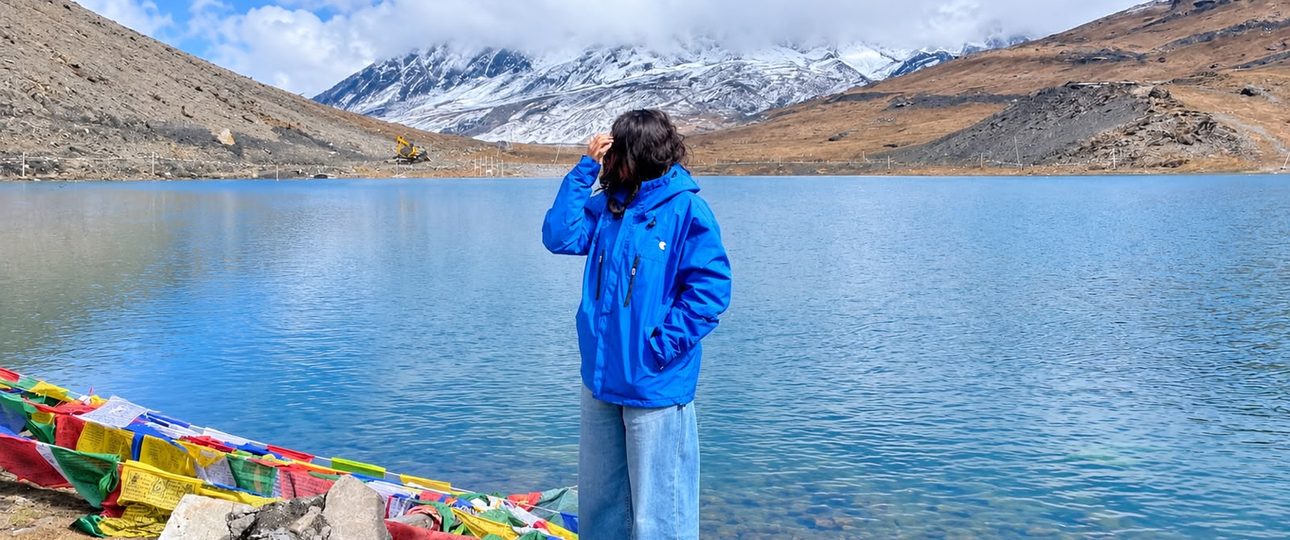
Some journeys are not about reaching a popular tourist attraction. They are about travelling beyond familiar roads, passing through quiet mountain settlements and seeing places that very few people get to experience. Gongkar La Lake in Arunachal Pradesh is one such destination.
Located in the remote Mago–Chuna region of Tawang district, Gongkar La Lake is a high-altitude mountain lake surrounded by rugged terrain and vast Himalayan landscapes. Getting there is not a straightforward sightseeing trip. The route takes you beyond Mago and Chuna Valley, through difficult mountain roads and towards a region close to the Indo-China border.
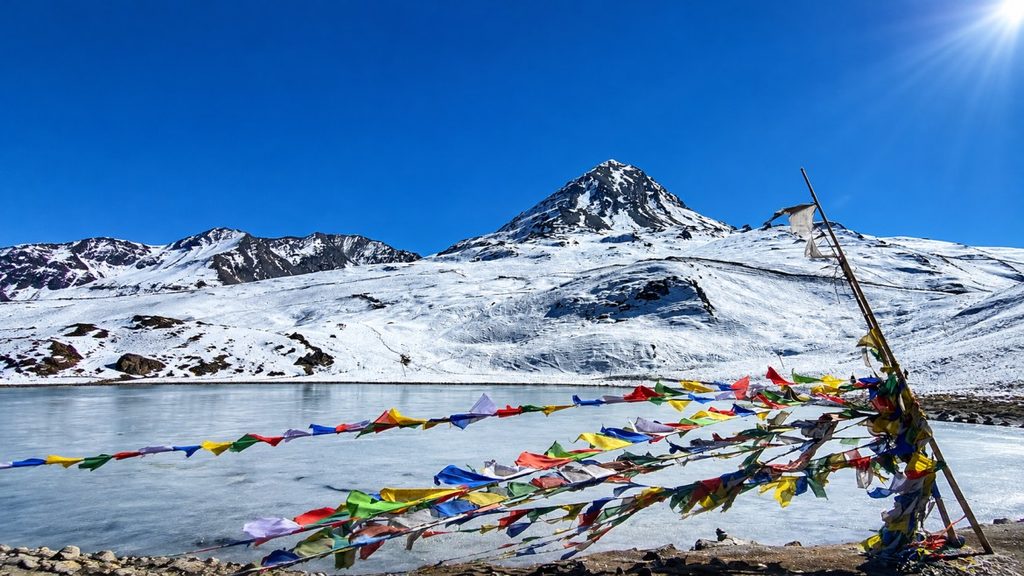
For travellers who want to explore a less-visited side of Arunachal Pradesh, Gongkar La Lake offers an experience very different from the usual Tawang circuit. Here is what you should know before planning the journey.
Where Is Gongkar La Lake Located?
Gongkar La Lake is located beyond Mago and Chuna Valley in the eastern part of Tawang district, Arunachal Pradesh. It lies in a remote high-altitude region near the Indo-China border.
The commonly described route begins from Jang and continues towards Mago village. From Mago, the road leads further into Chuna Valley before reaching the Gongkar La region.
Gongkar La is also the name of the high mountain pass near the lake. The pass is reported to be at approximately 15,600 feet (around 4,750 metres), although the exact elevation quoted by different sources varies. The lake is generally referred to as Gongkar La Lake or Gonkarla Lake.
What Makes Gongkar La Lake Special?
What makes Gongkar La Lake interesting is not just the lake itself but the landscape and journey leading to it.
Unlike the more frequently visited attractions around Tawang, this region has very little conventional tourist infrastructure. The route takes you through open valleys, mountain streams, rocky slopes and high-altitude terrain. As you move beyond Mago and Chuna, the surroundings become increasingly remote.
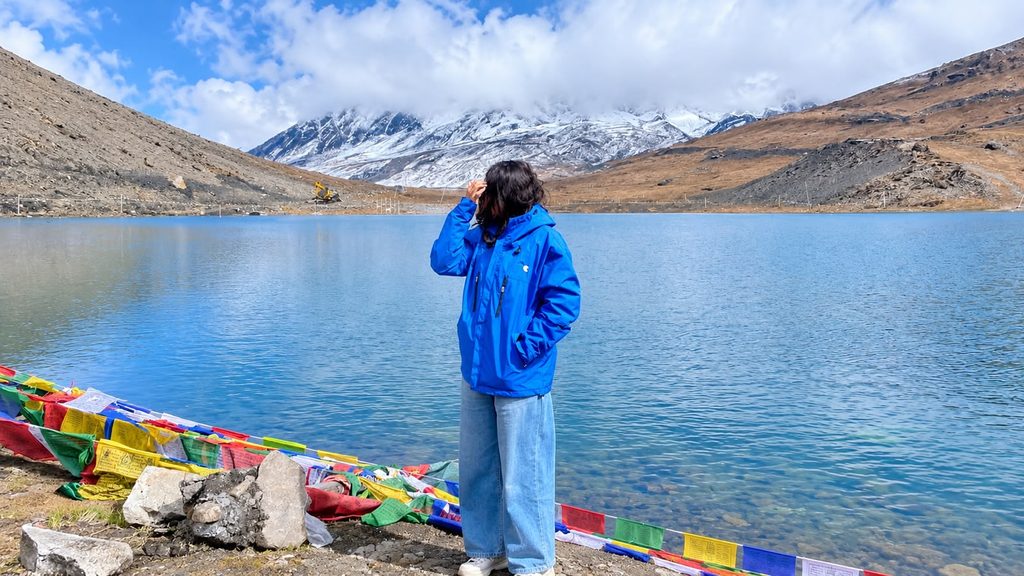
The lake sits in a dramatic mountain setting, with rugged slopes and snow-covered terrain depending on the season. It is the kind of place where the landscape takes centre stage. There are no busy markets or rows of cafés waiting at the destination. Instead, the experience is about being surrounded by the mountains and taking in the quiet of the region.
Its remote location is also why Gongkar La Lake requires more planning than a regular day trip. Access, road conditions and weather can change, and visitors must follow the instructions of the local authorities and security personnel.
The Journey Through Mago and Chuna Valley
A trip to Gongkar La Lake is best understood as part of a larger journey through the Mago–Chuna region.
Mago Village: Mago is an important stop on the route. Located in a remote mountain valley, the village is known for its traditional settlements, surrounding landscapes and yak-herding culture. The Mago River valley and its hot springs are also among the attractions of this region.
Chuna Valley: Beyond Mago lies Chuna Valley, a high-altitude open valley known for its wide mountain views and grazing landscapes. The surroundings are quieter and more rugged, with seasonal settlements and yak pastures adding to the character of the place.
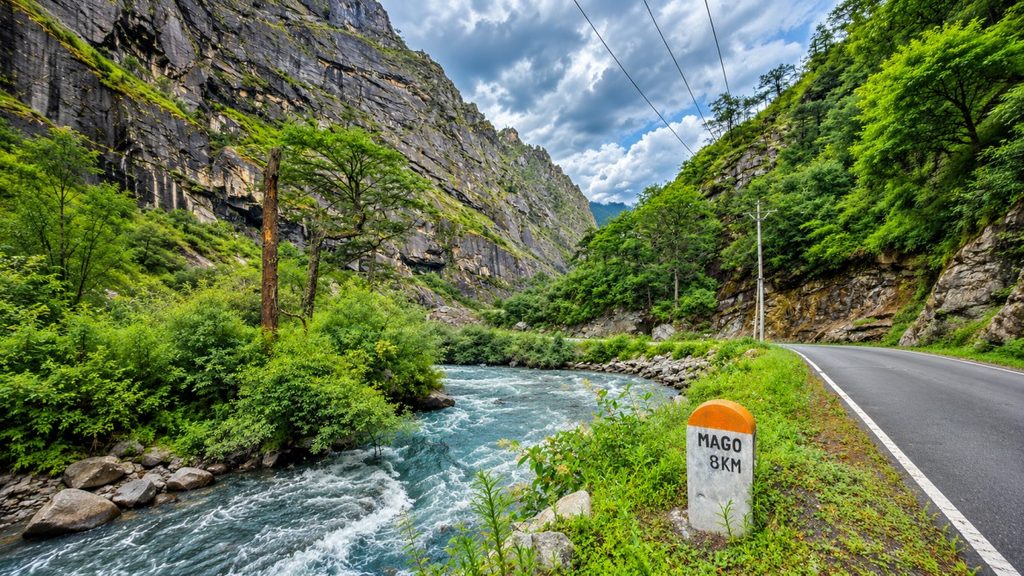
Gongkar La: Continuing beyond Chuna takes you towards the high mountain region of Gongkar La. This is where the landscape becomes even more challenging, and the lake is the main attraction for those who are permitted to travel further.
These places are connected by a remote mountain route, but the entire stretch should not be treated as a guaranteed drive. The actual distance covered and the final point accessible depend on road and security conditions.
Things to Experience at Gongkar La Lake
Gongkar La Lake is not a destination with a long list of commercial activities. The experience is centred on the landscape, the journey and the opportunity to explore a remote part of Arunachal Pradesh.
- Take in the mountain views: Spend time observing the surrounding high-altitude terrain. The open landscape and mountain formations are a major part of the experience.
- Photography: The lake and its surroundings offer opportunities for landscape photography. Carry your camera, but follow local restrictions and avoid photographing military installations.
- Explore the Mago–Chuna route: The journey through Mago and Chuna Valley is an attraction in itself. The changing landscape gives you a glimpse of a quieter side of Tawang.
- Experience the remoteness: Unlike popular tourist destinations, this region has limited facilities and fewer visitors. Be prepared for a simple, less commercial travel experience.
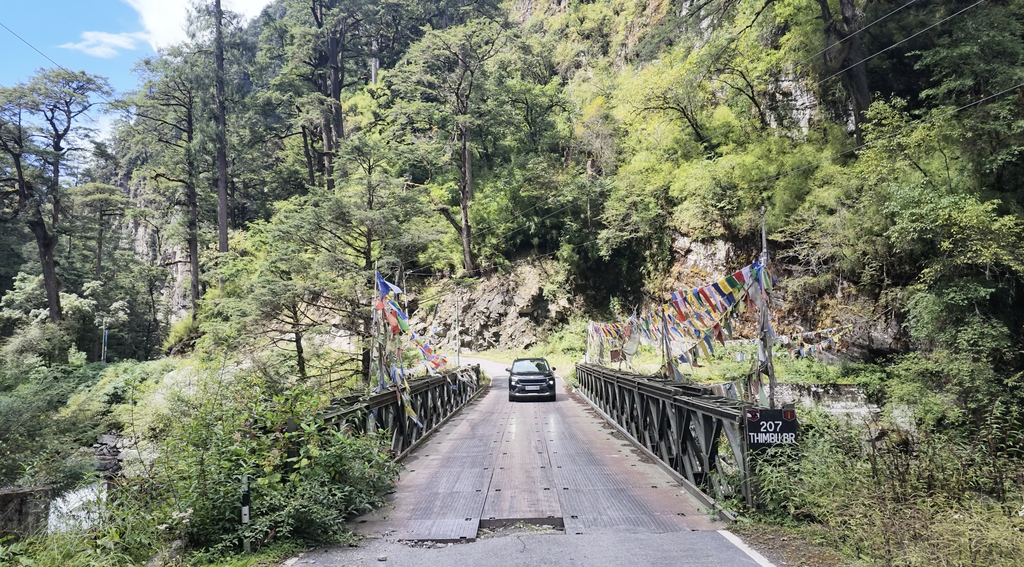
Always follow the guidance of your local driver or guide. Do not wander away from authorised areas or attempt to explore restricted sections independently.
Best Time to Visit Gongkar La Lake
The most suitable time to plan a trip to Gongkar La Lake is generally during the warmer months and the autumn period, subject to local access.
May to June can offer a better opportunity to explore the high-altitude landscape as winter conditions begin to ease. Depending on the weather, parts of the region may still have snow.
October is another period worth considering because the post-monsoon weather can offer clearer mountain views. However, temperatures at this altitude can drop considerably.
Monsoon conditions can make the rough mountain roads difficult to navigate. During winter, snowfall and freezing temperatures may make the route inaccessible.
There is no guaranteed opening calendar for Gongkar La Lake. Before fixing your travel dates, confirm the latest access situation with a local operator and the relevant authorities.
How to Reach Gongkar La Lake
The journey to Gongkar La Lake usually follows this route:
Guwahati → Bomdila → Dirang → Sela Pass → Jang → Mago → Chuna → Gongkar La Lake
First, reach Tawang through the regular mountain route from Assam, travelling via Bhalukpong, Bomdila, Dirang and Sela Pass. From Tawang, continue towards Jang and then travel to Mago.
Mago is an important base for exploring the region. From there, the route continues towards Chuna Valley and Gongkar La. The road beyond Mago is rough and requires careful planning. A suitable local vehicle and an experienced driver familiar with the route are essential.
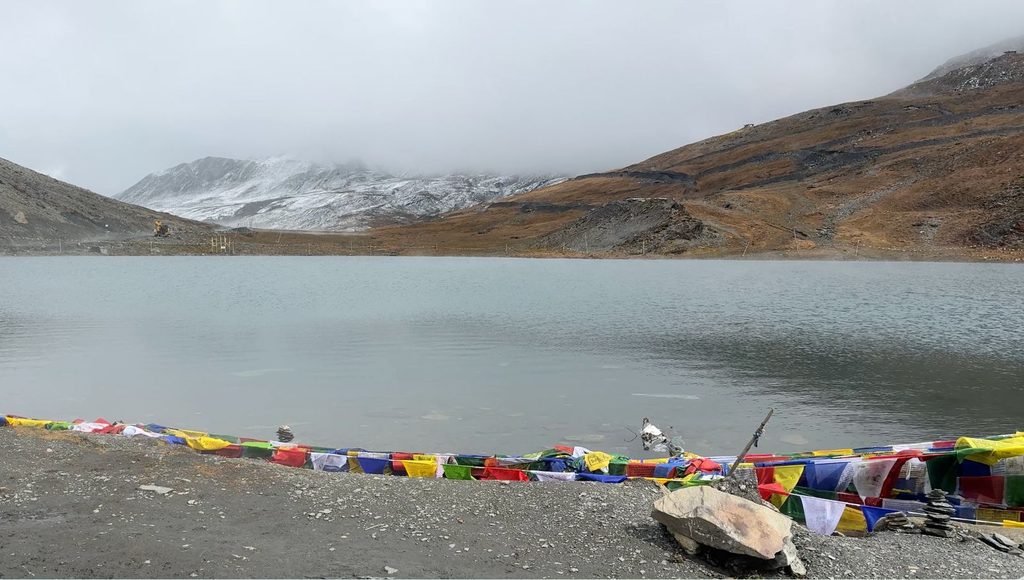
Do not plan this as a quick excursion from Tawang without checking the actual journey time and access conditions. Depending on the arrangements, an overnight stay in Mago may be more practical.
Permits and Important Travel Tips
Gongkar La Lake is located in a sensitive border region. Having an Arunachal Pradesh Inner Line Permit (ILP) does not automatically guarantee access to every location along this route. Local and security permissions may apply, and the authorities can restrict movement depending on the situation.
Keep these points in mind before travelling:
- Confirm whether civilian access to Gongkar La Lake is permitted on your travel dates.
- Arrange the journey through a local operator familiar with Mago, Chuna and the Gongkar La route.
- Use an appropriate high-clearance vehicle with an experienced local driver.
- Carry the required original identity documents and permit copies.
- Start early and keep enough daylight for the return journey.
- Carry warm clothing, food, drinking water and essential medicines. Facilities and mobile connectivity are limited.
- Acclimatise properly before travelling to this altitude. Watch for headache, nausea, dizziness or unusual breathlessness. Seek medical help and descend if symptoms worsen.
- Do not litter, disturb the local environment or photograph restricted military areas.
The route can change with weather and security instructions, so flexibility is essential.
Final Thoughts
Gongkar La Lake is for travellers who want to go beyond the familiar attractions of Tawang and explore its more remote mountain landscapes. The journey through Mago and Chuna Valley, the rugged roads and the high-altitude surroundings make this a very different kind of travel experience.
It may require more preparation than a regular Arunachal Pradesh road trip, but that is also what makes the destination special. If you are planning to explore this part of Tawang, take the help of local operators, respect the access restrictions and let the mountains set the pace of your journey.
Where is Gongkar La Lake located?
Gongkar La Lake is located in the remote Mago–Chuna region of Tawang district, Arunachal Pradesh, surrounded by spectacular high-altitude Himalayan landscapes.
What is the altitude of Gongkar La Lake?
Gongkar La is situated at approximately 15,600 feet above sea level, making it a remarkable high-altitude destination in Arunachal Pradesh.
How can I reach Gongkar La Lake from Tawang?
The commonly followed route is Tawang–Jang–Mago–Chuna–Gongkar La. The journey involves challenging mountain roads, and travellers should arrange suitable local transport and experienced drivers.
What is the best time to visit Gongkar La Lake?
The suitable visiting period depends on snowfall, rainfall, road conditions and local permissions. Late spring, early summer and autumn may offer better opportunities, subject to current accessibility.
Can I visit Gongkar La Lake in a regular car?
The route involves rough and challenging terrain. A suitable high-clearance 4×4 vehicle with an experienced local driver is recommended, depending on current road conditions.


