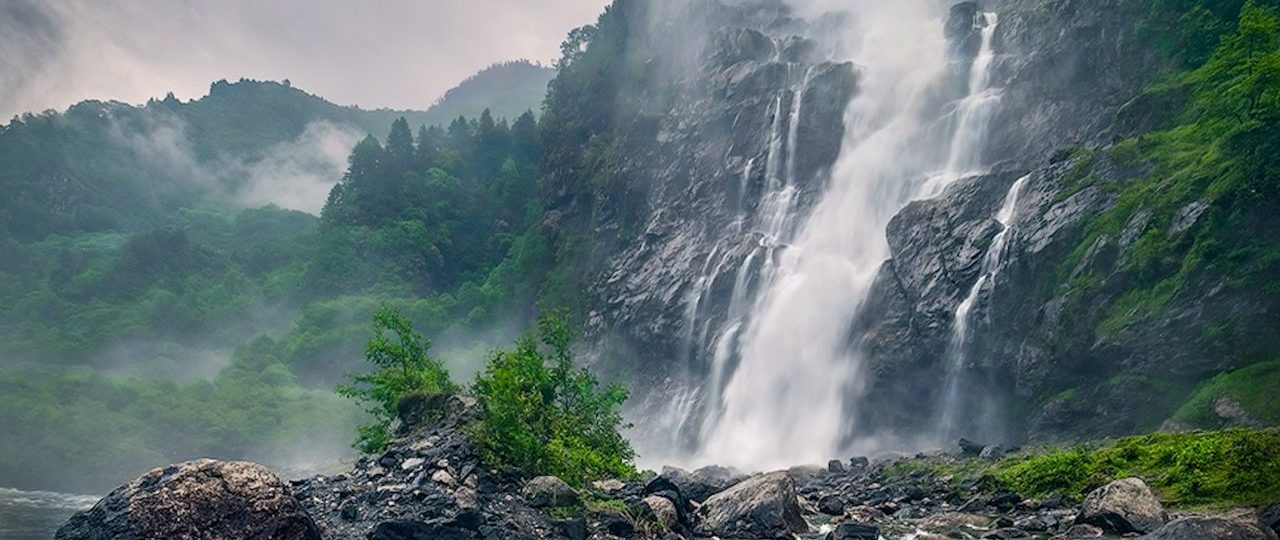
There are some places you hear before you actually see them. Jung Waterfall is one of those places. As you get closer, the sound of rushing water grows louder, the air becomes cooler, and suddenly, through the mountain landscape, appears a massive stream of water falling down a rocky cliff. It is the kind of sight that makes you stop whatever you are doing and simply take it all in.
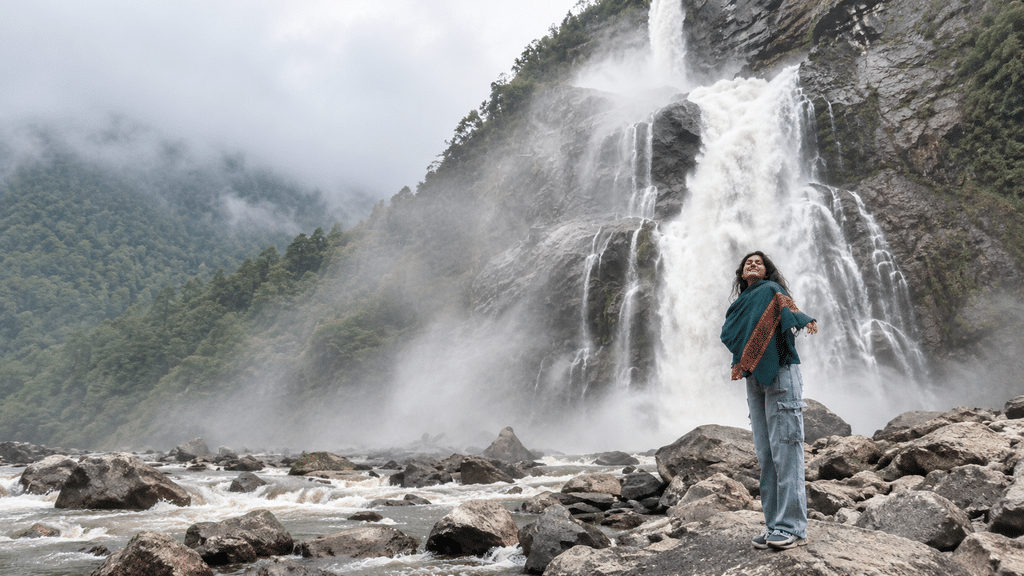
Popularly known as Nuranang Falls or Jang Falls, Jung Waterfall is one of the most beautiful natural attractions in Tawang district, Arunachal Pradesh. Surrounded by green hills and rugged mountain terrain, this spectacular waterfall is a favourite stop for travellers driving between Dirang and Tawang. Standing approximately 100 metres tall, it is not just another waterfall to photograph; it is an experience that deserves a little time on your Arunachal Pradesh itinerary.
Whether you are planning a road trip to Tawang or looking for places to visit around Jung, here is everything you should know before visiting this beautiful Himalayan attraction.
Where Is Jung Waterfall Located?
Jung Waterfall, also called Nuranang Falls, is located near Jang town in the Tawang district of Arunachal Pradesh. It is approximately 2 kilometres northeast of Jang and lies along the road connecting Tawang with Dirang and Bomdila. Its location makes it a convenient sightseeing stop for anyone travelling through this part of Arunachal Pradesh.
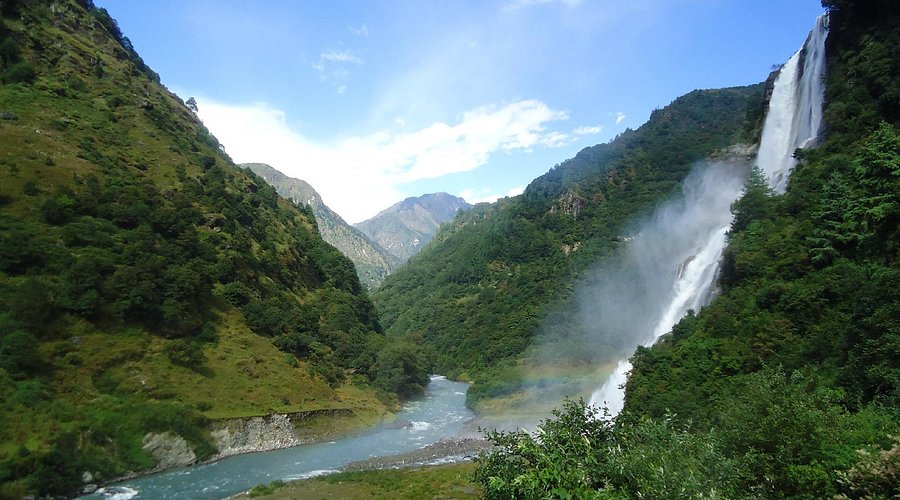
The waterfall is formed by the Nuranang River, which originates from the northern slopes of the Sela Pass before flowing down towards the Tawang River. The surrounding mountains, rocky cliffs and greenery create a beautiful setting, making Jung Waterfall one of the region’s most recognisable natural attractions.
What Makes Jung Waterfall Special?
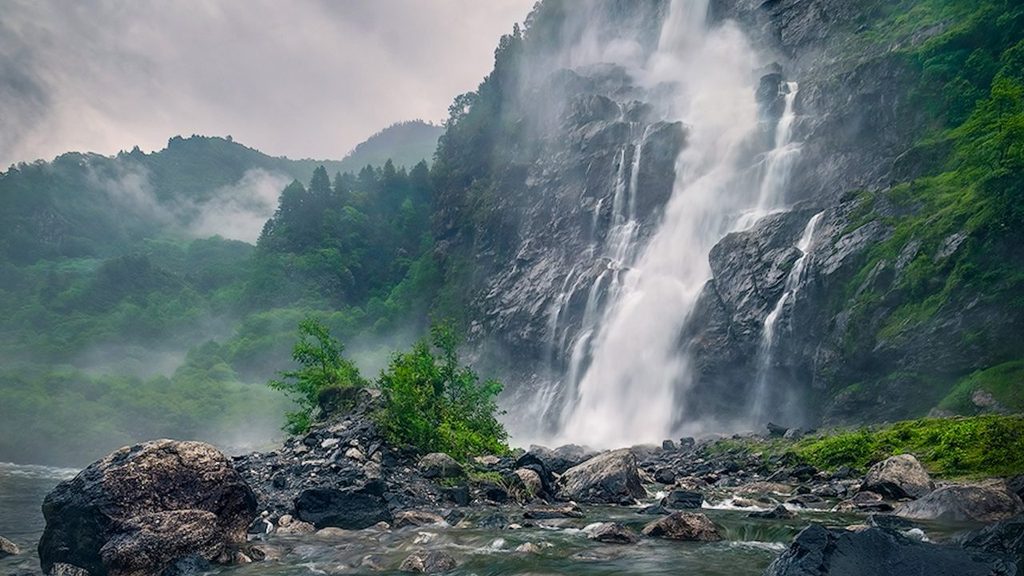
The first thing you will notice about Jung Waterfall is its sheer size. Water plunges approximately 100 metres down the rocky mountainside, creating a powerful cascade that can be heard well before you reach the main viewing area.
Unlike smaller waterfalls that you might casually pass during a road trip, this one demands attention. The water crashes into the gorge below, creating a cloud of mist that makes the surroundings feel fresh and cool. During periods of heavy water flow, the entire landscape looks even more dramatic.
Here are a few reasons why Jung Waterfall deserves a place on your itinerary:
- A spectacular 100-metre cascade: The height and force of the falling water make it an impressive sight.
- Beautiful mountain surroundings: The waterfall is framed by rocky cliffs, greenery and the rugged landscapes of Tawang.
- A memorable photography spot: From the surrounding viewpoints, you can capture the waterfall against its natural backdrop.
- A convenient road-trip stop: Its location near Jang makes it easy to include while travelling between Dirang and Tawang.
- A connection to local history: The waterfall is associated with a story of courage from the 1962 India-China War.
The Story Behind Nuranang Falls
Every destination has a story, and Nuranang Falls is associated with one that adds another dimension to its beauty.
According to local accounts and popular historical narratives, the waterfall takes its name from Nura, a Monpa girl remembered for helping Indian Army rifleman Jaswant Singh Rawat during the 1962 India-China War. Her story is associated with the Battle of Nuranang, which took place in the region.
This connection gives the waterfall a significance beyond its natural beauty. It also reminds visitors that the mountains of Tawang are not just known for their landscapes but carry memories of courage, sacrifice and local history.
Things to Do at Jung Waterfall
You do not need an elaborate sightseeing plan to enjoy Jung Waterfall. Sometimes, simply spending time around a beautiful natural attraction is enough. However, if you are visiting for the first time, here are a few things you can enjoy.
1. Witness the Waterfall Up Close
The main attraction is, of course, the waterfall itself. Walk towards the designated viewing area and enjoy the sight of water cascading down the cliff. The sound, the mist and the surrounding landscape make this a memorable experience.
2. Capture Some Beautiful Photographs
If photography is on your travel list, keep your camera ready. The waterfall offers plenty of opportunities for landscape photographs. You can capture the entire cascade, the surrounding cliffs and the mist rising from the gorge. Protect your camera and phone from the water spray.
3. Enjoy the Natural Surroundings
Take a little time to appreciate the surroundings instead of rushing through the visit. The cool mountain air, greenery and sound of flowing water make this a lovely place to take a break during a long drive.
4. Explore the Nearby Jang Area
Since the waterfall is close to Jang town, you can combine your visit with a short exploration of the surrounding area. Enjoy the mountain scenery and experience a quieter side of the Tawang region.
Best Time to Visit Jung Waterfall
Jung Waterfall can be visited during different seasons, but the appearance of the waterfall changes throughout the year.
- March to May: Spring brings pleasant mountain scenery and greenery. The waterfall is worth visiting during this period, although its flow may be lower than after the monsoon.
- June to August: The monsoon season can bring heavier water flow, making the waterfall look powerful. However, rainfall can also affect road conditions and travel safety.
- September to November: This is an attractive period for travellers who want to enjoy a fuller waterfall along with clearer mountain views, subject to local weather.
- December to February: Winter brings colder conditions to the region. Water flow may reduce, and snowfall or icy roads can affect accessibility.
For a combination of impressive water flow and relatively clearer travel conditions, September and October are worth considering. Always check local weather and road updates before travelling.
How to Reach Jung Waterfall
Reaching Jung Waterfall is fairly convenient if you are already travelling towards Tawang by road.
From Guwahati: Start your journey from Guwahati and travel through Tezpur, Bhalukpong, Bomdila and Dirang before continuing towards Jung.
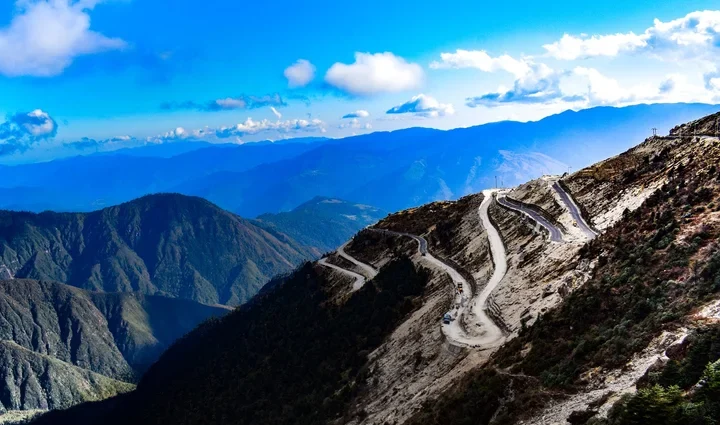
From Dirang: Drive towards Tawang via Sela Pass. Jung Waterfall makes for an excellent sightseeing stop along this stretch.
From Tawang: The waterfall is approximately 40 kilometres from Tawang by road, although actual travel time depends on road and weather conditions.
Once you reach the Jang area, follow the road towards the waterfall. It is accessible by motorable road, making it a convenient stop for families, couples and road-trip enthusiasts.
Places to Visit Near Jung Waterfall
If you are already in the area, why limit your sightseeing to just one attraction? There are several beautiful places you can include in your journey.
- Sela Pass: A spectacular high-altitude mountain pass known for its dramatic scenery and beautiful Sela Lake.
- Jaswant Garh War Memorial: A memorial dedicated to Rifleman Jaswant Singh Rawat, associated with the 1962 war.
- Tawang Monastery: One of the most important Buddhist monasteries in the region, known for its architecture and cultural significance.
- Dirang: A charming mountain town with attractions such as Dirang Dzong, Kalachakra Gompa and Sangti Valley.
- Tawang town: Explore local markets, enjoy regional food and discover more of the area’s cultural attractions.

You can easily include Jung Waterfall in a larger Guwahati–Dirang–Tawang road trip, making it one of the memorable stops along the way.
Travel Tips Before Visiting Jung Waterfall
A little preparation can make your visit much more comfortable.
- Wear comfortable shoes with a good grip, as paths near the waterfall can become slippery.
- Carry a light jacket because the mist and mountain weather can make the area feel cold.
- Keep your camera or phone protected from water spray.
- Avoid climbing onto wet rocks or approaching unsafe edges.
- Do not litter around the waterfall or disturb the natural surroundings.
- Check road conditions before starting your journey, especially during the monsoon and winter.
- Carry a valid Inner Line Permit if you are an Indian visitor travelling in Arunachal Pradesh.
Allow approximately 45 minutes to an hour for a relaxed visit, although you may want to spend longer enjoying the scenery.
Jung Waterfall is one of those places that makes an Arunachal Pradesh road trip truly memorable. From its impressive cascade and beautiful mountain surroundings to the story associated with Nuranang Falls, there is plenty to appreciate beyond the photographs. Whether you are travelling from Dirang to Tawang or exploring the attractions around Jang, make sure you save some time for this natural wonder. Sometimes, the best part of a road trip is not the destination you planned but the beautiful places you discover along the way. Jung Waterfall is certainly one of them.
Where is Jung Waterfall located?
Jung Waterfall, also known as Nuranang Falls or Jang Falls, is located near Jang town in the Tawang district of Arunachal Pradesh, approximately 40 km from Tawang.
What is the best time to visit Jung Waterfall?
The best time to visit Jung Waterfall is from March to May and September to November. These months offer pleasant weather, beautiful surroundings and impressive waterfall views.
How can I reach Jung Waterfall?
Jung Waterfall is approximately 40 km from Tawang and can be reached by hiring a private taxi or travelling by car. It is a popular stop along the Tawang–Bomdila route.
Is there an entry fee for visiting Jung Waterfall?
There is no commonly reported entry fee for visiting Jung Waterfall. However, visitors should check locally for any applicable parking or other charges.
Why is Jung Waterfall also known as Nuranang Falls?
The waterfall gets its name from the Nuranang River, which originates from the northern slopes of Sela Pass. It is also locally known as Jang Falls and Bong Bong Falls.


