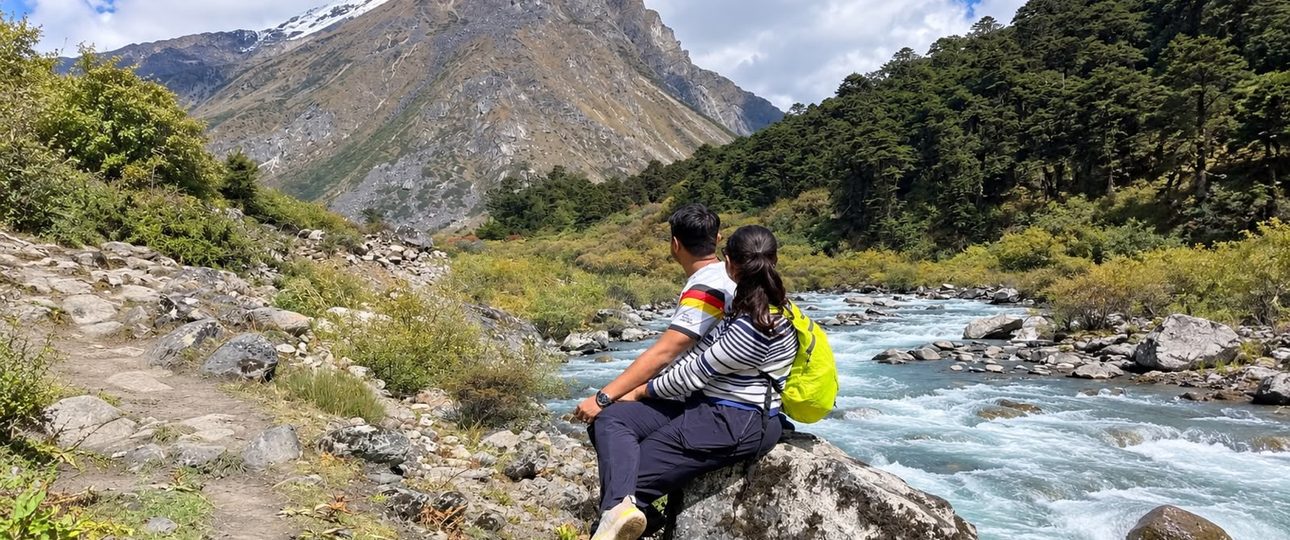
Some journeys are about reaching a destination, while others are about discovering what lies beyond the familiar tourist routes. The Jithang Trek in Arunachal Pradesh belongs to the second kind. Hidden in the remote mountains of the Tawang region, Jithang Valley offers a trekking experience filled with forest trails, flowing rivers, mountain scenery and a sense of wilderness that is difficult to find on a regular sightseeing trip.
The Jithang Trek forms part of the historic Bailey Trail network, a route associated with early British surveys of the Himalayan frontier. Today, it attracts adventurous travellers interested in exploring the lesser-known landscapes of Arunachal Pradesh. The journey through Mago towards Jithang is particularly appealing to those who want to experience the region beyond its popular monasteries and mountain passes.
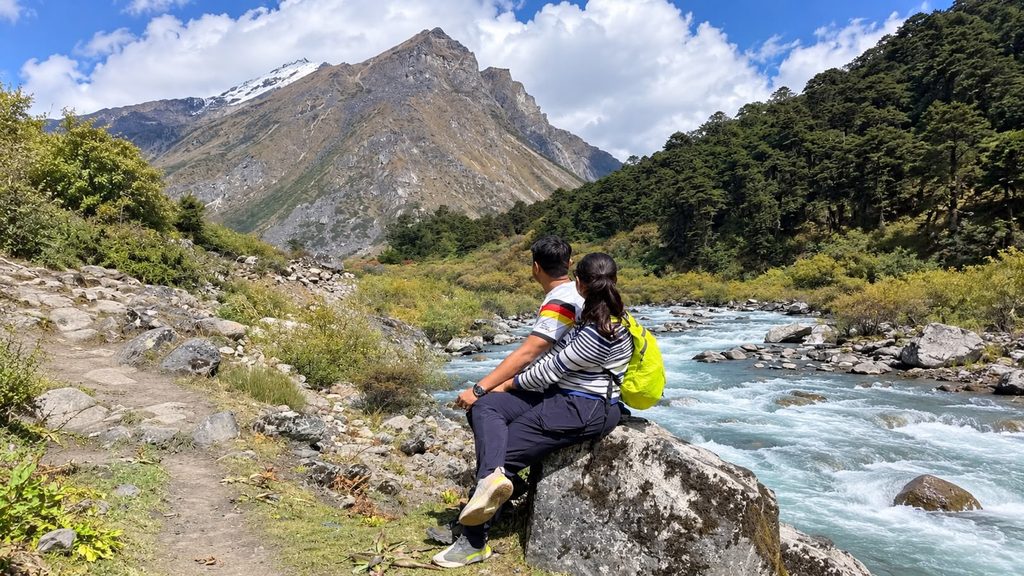
Whether you are researching the Jithang Valley Arunachal Pradesh trek or planning a longer expedition through the surrounding valleys, this guide covers the route, best time to visit, difficulty level, permits and essential preparation.
Where Is Jithang Valley trek?
Jithang Valley lies in the remote mountain region of Tawang district in Arunachal Pradesh, close to the frontier areas of the Eastern Himalayas. It is associated with the Mago region and the wider Chuna Valley landscape, where mountain rivers, forested slopes and high-altitude grasslands shape the scenery.
Unlike destinations connected by regular tourist transport, Jithang requires careful planning and a proper understanding of the trekking route. The Mago–Jithang section of the Bailey Trail is a point-to-point trek through relatively isolated terrain, making it a very different experience from visiting places such as Sela Pass or Tawang Monastery.
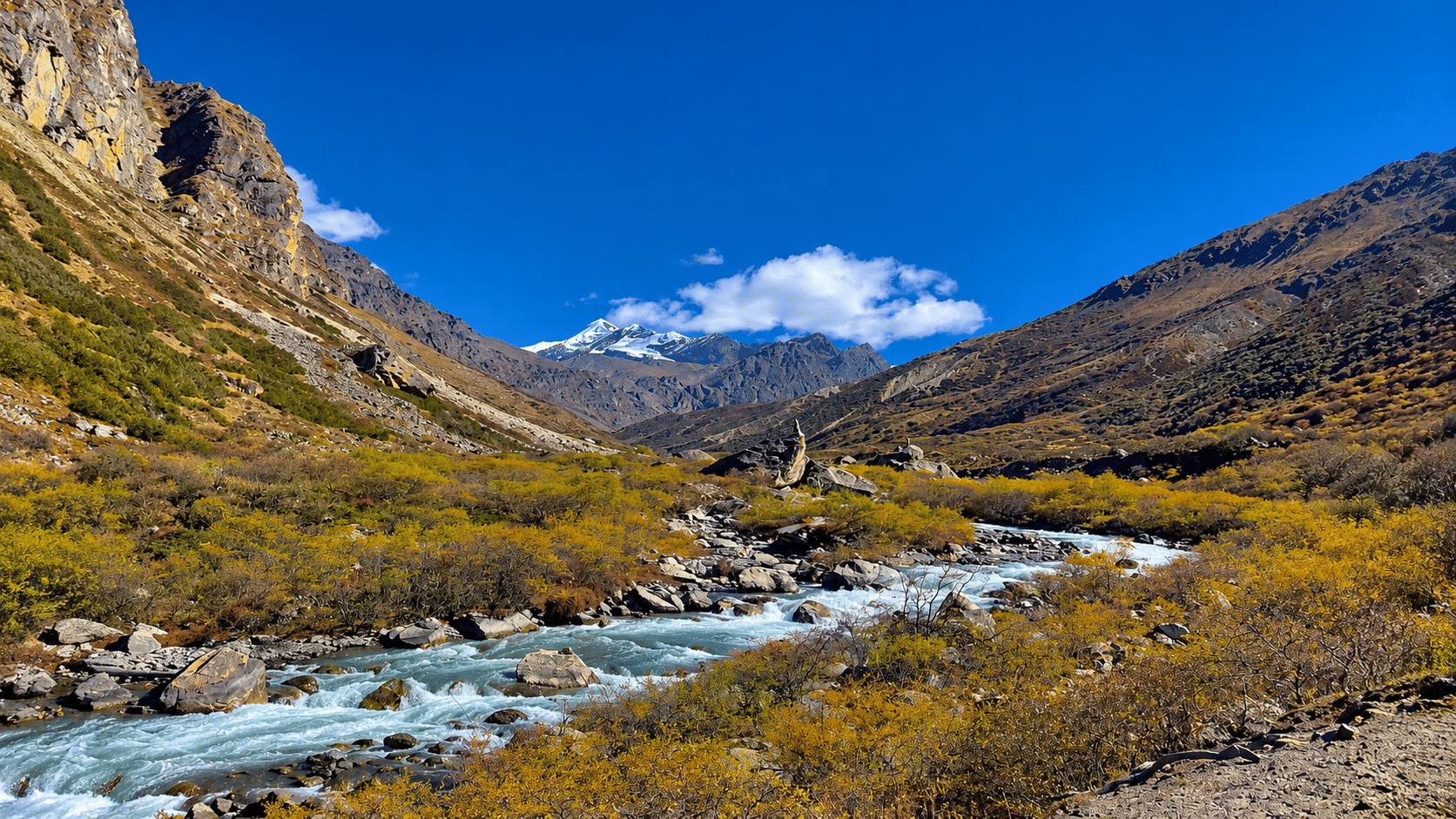
The valley is also known for its seasonal yak-grazing grounds. During certain months, yak herders use the grasslands and temporary shelters in the area. This gives the landscape a distinctive character, where the surroundings reflect both the natural environment and traditional mountain livelihoods.
What Makes the Jithang Trek Special?
The biggest attraction of the Jithang Trek is its remoteness. There are no busy tourist markets or long rows of cafés along the trail. Instead, trekkers encounter forested paths, rivers, mountain slopes and wide-open grasslands.
Here are some reasons to consider this trek:
- Untouched mountain scenery: Enjoy a landscape far removed from crowded tourist viewpoints.
- Forest trails: Walk through sections of forest where the atmosphere changes with the light, weather and season.
- Rivers and valleys: Follow the rugged terrain around mountain streams and river crossings.
- Traditional mountain life: Depending on the season, you may encounter yak herders and temporary grazing settlements.
- Historic trail connections: Explore a section of the Bailey Trail network, which carries historical significance in the region.
For trekkers looking beyond mainstream destinations, the Jithang trek in Arunachal Pradesh offers a chance to experience a quieter and more demanding side of Himalayan travel.
How to Reach Jithang Valley
Reaching the trailhead involves both road travel and trekking. Guwahati and Tezpur are common gateways for journeys towards the Tawang region.
By road
From Guwahati, travel through Tezpur and Bhalukpong before continuing towards Bomdila and Dirang. From there, the road continues through Sela Pass and Jang towards Tawang.
For the Mago–Jithang route, the approach continues from the Tawang region towards Mago via Jung, New Maling and Thingbu, subject to current road access. The final road journey can take several hours, so it is important to confirm conditions with a local operator before travelling.
By train or air
Guwahati is a major rail and air gateway for travellers heading to western Arunachal Pradesh. Tezpur may also be useful depending on available transport connections.
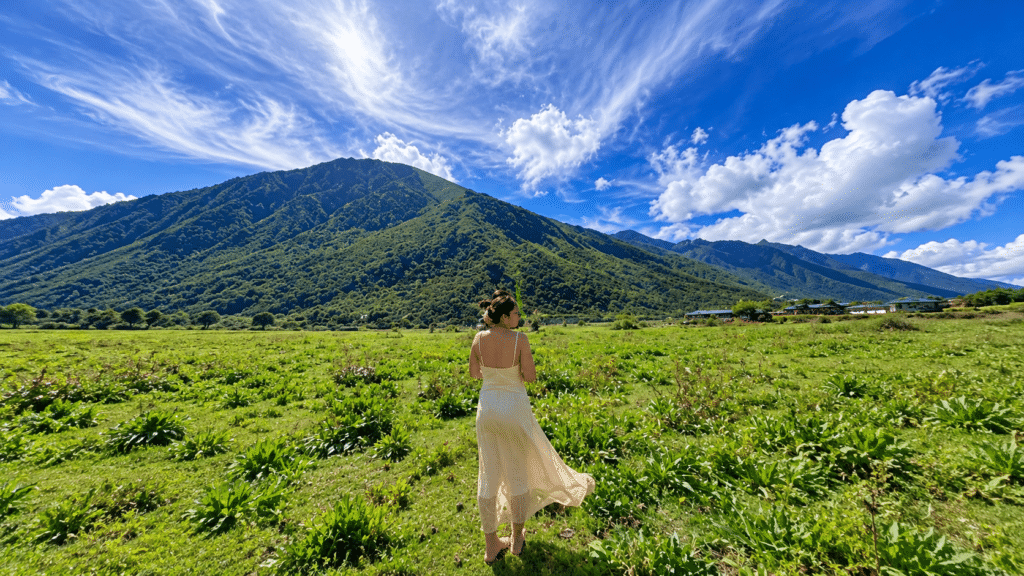
From Mago to Jithang
The trek begins at Mago and continues on foot towards Jithang. The commonly described Mago–Jithang section is approximately 13.4 km, with around 771 metres of elevation gain, although actual walking time and route conditions can vary.
Since this is a remote border-area route, arrange a knowledgeable local guide, confirm access permissions and check the latest trail conditions before departure.
Jithang Trek Route and Itinerary
The following is a sample itinerary for a broader trip combining the approach to Mago, the Jithang trek and the return journey. It is not a fixed trekking schedule: the number of days needed on the trail depends on the route approved by your operator, camping arrangements and current conditions.
Day 1: Guwahati to Dirang
Begin your journey early from Guwahati and drive towards Dirang through Tezpur, Bhalukpong and Bomdila. As the plains give way to mountain roads, the scenery changes into green hills, winding stretches and cooler surroundings.
Highlights:
- Scenic drive through Bhalukpong and Bomdila
- Mountain views along the route
- Overnight stay in Dirang for rest and preparation
Day 2: Dirang to Tawang or Jung
Continue towards the Tawang region, passing through the spectacular mountain scenery around Sela Pass. Depending on your travel arrangements, you may stay in Jung or continue to Tawang.
Highlights:
- Sela Pass and Sela Lake, subject to road and weather conditions
- Nuranang Falls near Jang, if time permits
- Final equipment checks before the remote section of the journey
Day 3: Travel to Mago
Travel towards Mago with a locally arranged driver and confirm your entry and accommodation arrangements in advance. The road journey takes you into a quieter mountain landscape where facilities become increasingly limited.
Highlights:
- Mountain scenery along the Mago approach
- Exploration of Mago village, where accessible
- Meeting your guide and checking trekking supplies
Day 4: Mago to Jithang
This is the main trekking day for travellers undertaking the Mago–Jithang section. Start early and follow the route with your guide through the surrounding forest and river landscape. The trail requires preparation, particularly for river crossings, uneven ground and changing weather.
Highlights:
- Forested trail sections
- Views of the Mago Chu and surrounding mountain terrain
- The approach to Jithang Valley
- Grasslands and seasonal yak-herder shelters, where present
Day 5: Explore Jithang Valley
If your approved itinerary allows an overnight stay, spend time appreciating the valley before beginning your return or continuing along a longer expedition route. Jithang is not a conventional sightseeing destination, so the experience is about the landscape, quiet surroundings and time spent outdoors.
Highlights:
- Open grasslands and mountain views
- Seasonal grazing grounds
- Photography and nature observation
- Learning about local mountain life from your guide
Day 6: Return or Continue the Expedition
For the shorter Mago–Jithang trek, the return arrangements should be confirmed with your operator before departure. Trekkers undertaking the longer Mago–Chuna–Jithang expedition may continue deeper into the mountain trail network, requiring additional days and more demanding logistical arrangements.
The longer expedition is described as a hard, multi-day trek lasting approximately 7–10 days. Do not assume that the shorter Mago–Jithang route and the extended expedition share the same duration or difficulty.
Best Time to Do the Jithang Trek
Timing can make a significant difference to your experience. The route is remote, and weather can affect trail conditions, river crossings and access.
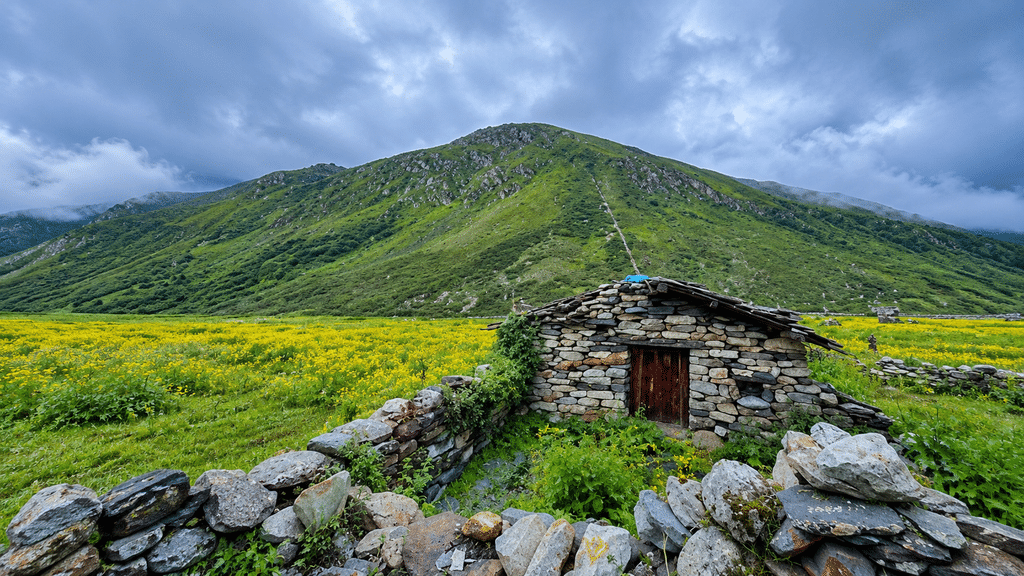
- Spring: April and May can offer fresh greenery and blooming rhododendrons in suitable areas.
- Autumn: September to November can bring clearer mountain views, though local conditions must be checked.
- Monsoon: Heavy rain can make trails slippery and increase river-crossing risks.
- Winter: Snow, freezing temperatures and access restrictions can make trekking more difficult.
The best dates should always be confirmed with a local guide who knows the current trail and weather conditions. Seasonal recommendations for the longer expedition should not automatically be applied to every section of the Bailey Trail.
Difficulty Level and Trek Duration
The Jithang Trek is best approached as a remote mountain trek rather than a casual walk. The shorter Mago–Jithang section is listed as a hard, point-to-point route, with approximately 13.4 km of distance and 771 metres of elevation gain. Actual difficulty depends on fitness, weather, trail conditions and the pace of the group.
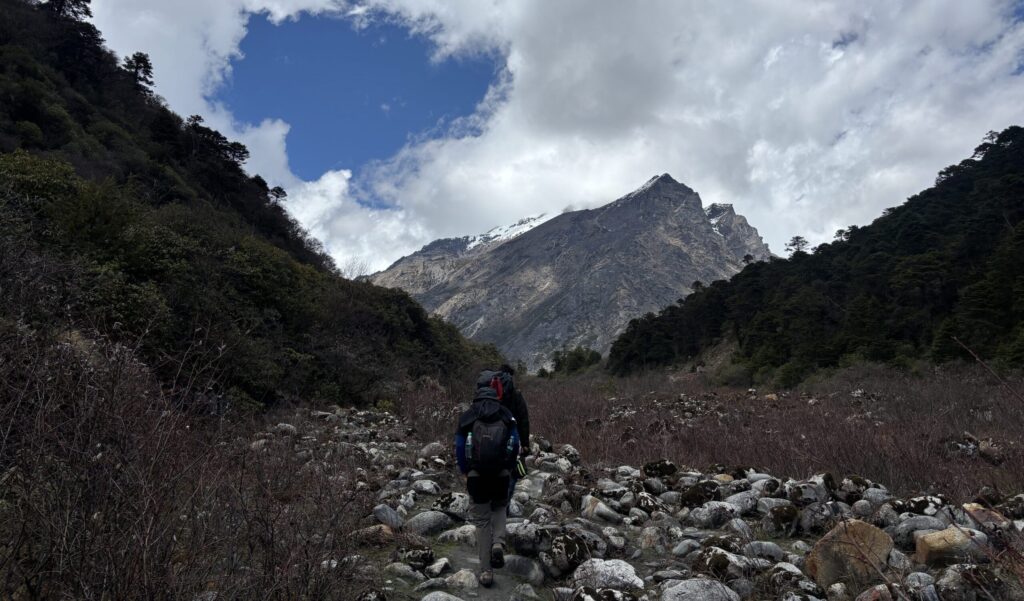
You should be comfortable walking for several hours over uneven terrain and carrying essential supplies. Previous trekking experience is strongly recommended, especially because help and evacuation options may be limited.
The longer Mago–Chuna–Jithang expedition involves additional terrain and can take 7–10 days. Choose your route based on your experience and not simply on the number of days available.
Permits and Local Guidelines
Arunachal Pradesh requires an Inner Line Permit (ILP) for Indian visitors who are not native to the state. Foreign nationals generally require a Protected Area Permit. Additional permissions or security clearances may apply to sensitive border areas, so check the exact requirements for your planned trek before departure.
Before setting out:
- Arrange permits through the appropriate official channels.
- Confirm whether additional local or security permissions are needed.
- Travel with an experienced guide familiar with the route.
- Carry valid identification and follow checkpoint instructions.
- Respect local communities and any restrictions on photography or access.
What to Pack for the Jithang Trek
There are limited facilities along this remote route, so packing carefully is essential.
- Sturdy trekking shoes with good grip
- Warm layers, thermal wear and a waterproof jacket
- A comfortable backpack and rain protection
- Sleeping bag and camping equipment, as required by your operator
- Sufficient food, drinking water and water-purification supplies
- First-aid kit and personal medication
- Headlamp, power bank and offline navigation
- Valid identification, permits and emergency contacts
Your guide or operator should provide a detailed equipment list based on the season, expected camping arrangements and route.
Accommodation and Food Along the Route
Dirang and Tawang offer accommodation options for the road journey, but facilities become limited as you approach Mago and Jithang. Do not assume that guesthouses, restaurants or shops will be available along the trekking route.
Discuss meals, drinking water, camping equipment, porters and overnight arrangements with your operator before leaving the main towns. If the plan includes camping, confirm who will carry the equipment and how food supplies will be managed.
Responsible Trekking in Jithang Valley
The remoteness of Jithang is part of its appeal, and keeping the area clean helps preserve that experience. Carry all rubbish back with you, avoid disturbing wildlife and grazing animals, and respect local customs.
Stick to the route advised by your guide and avoid crossing rivers or exposed sections without guidance. Leave temporary shelters and grazing areas undisturbed, and ask permission before photographing local residents.
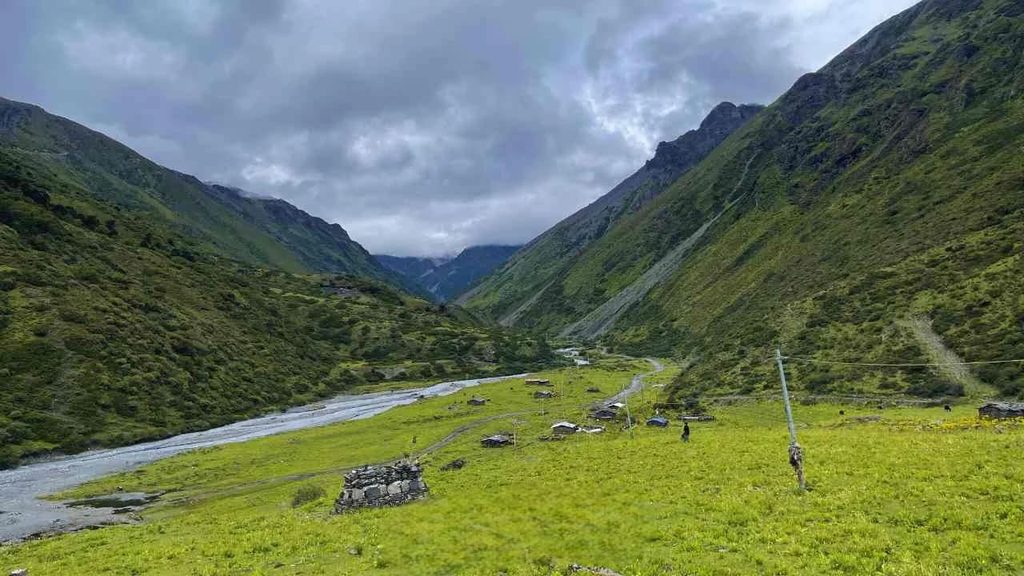
Responsible travel is especially important in a landscape where communities, wildlife and natural resources are closely connected.
Final Thoughts
The Jithang Trek is for travellers who want to experience a quieter, more remote side of Arunachal Pradesh. From the forest trails around Mago to the open grasslands of Jithang Valley, the journey offers a different kind of Himalayan adventure—one that calls for patience, preparation and respect for the mountains.
Whether you choose the shorter Mago–Jithang section or the longer expedition through Chuna Valley, plan with an experienced local operator, confirm the latest permissions and prepare for changing conditions. With the right arrangements, the Jithang Trek can become a memorable experience far beyond the usual tourist trail.
Where is Jithang Valley located?
Jithang Valley is in the remote mountain region of Tawang district, Arunachal Pradesh, and is associated with the Mago section of the Bailey Trail.
How do you reach Jithang from Tawang?
Travel towards Mago through the locally accessible road route, then continue on foot along the Mago–Jithang trail. Confirm the current approach and permissions before travelling.
How many days are needed for Jithang trek?
The Mago–Jithang section is described as a full-day trek, but the complete trip requires additional days for road travel and return arrangements. The longer Mago–Chuna–Jithang expedition may take 7–10 days
Is the trek suitable for beginners?
It is a remote route rated hard, so it is better suited to trekkers with previous experience and appropriate guidance.
What is the best time to visit Jithang Valley?
Spring and autumn are commonly considered for this region, but exact dates depend on weather, trail conditions and local access.
Can Jithang be visited as a day trip from Mago?
The Mago–Jithang section is listed as a full-day trek, but a day trip should only be attempted if a local guide confirms that the route, pace, weather and return arrangements make it