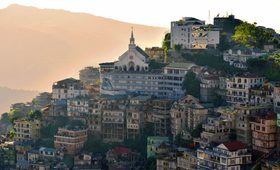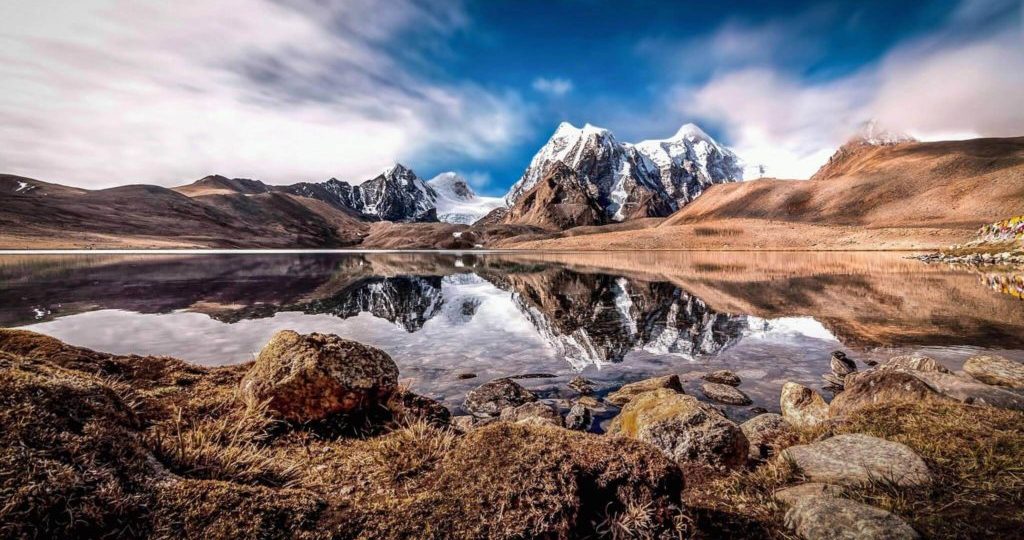
There are journeys where the road itself becomes as memorable as the destination. The drive to Gurudongmar Lake in North Sikkim is one of them. As you leave the green valleys behind and travel towards the higher reaches of the Himalayas, the landscape slowly changes. Trees become fewer, the mountains appear more rugged, and the wide-open terrain starts to feel almost otherworldly.
And then, surrounded by mountains and an enormous stretch of open sky, you reach Gurudongmar Lake.
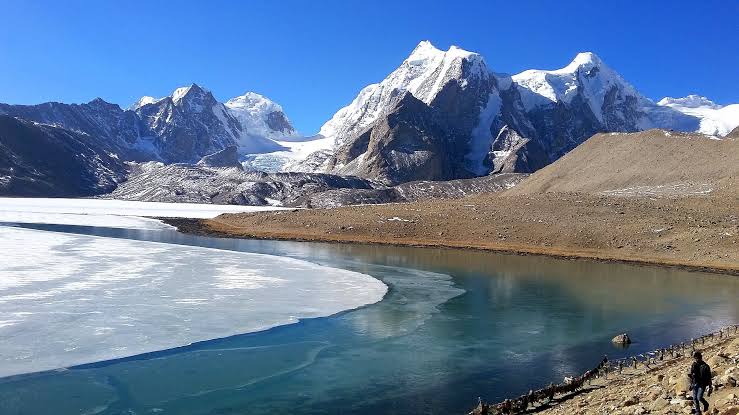
Located close to the Indo-Tibet border, Gurudongmar Lake is among the highest lakes in India. Its striking blue waters, spiritual importance and remote location make it one of the most remarkable places to visit in North Sikkim. But this is not just a destination for beautiful photographs. The journey also asks you to slow down, respect the mountains and understand the significance of a place that holds deep religious importance.
If you are planning a trip to North Sikkim, here is what you should know before visiting Gurudongmar Lake.
Where Is Gurudongmar Lake Located?
Gurudongmar Lake is situated in the Mangan district of Sikkim, at an elevation of approximately 17,000 feet (5,150 metres) above sea level. Some tourism sources quote a higher figure of around 17,800 feet. The lake lies in the high-altitude region near the Indo-Tibet border and is surrounded by the mountain ranges of the eastern Himalayas.
The lake is generally reached through Lachen, a mountain village in North Sikkim. From Lachen, the route continues towards Thangu and then through a rugged high-altitude landscape to the lake.
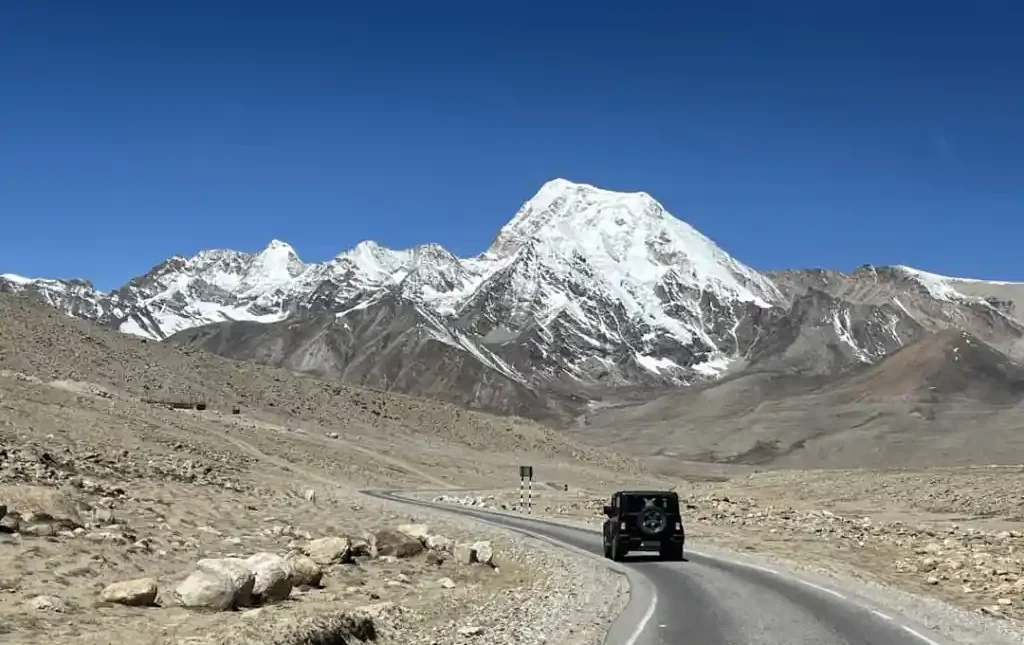
The journey is known for its changing scenery. You pass mountain villages, open valleys, streams and stretches of rocky terrain before reaching the lake.
What Makes Gurudongmar Lake Special?
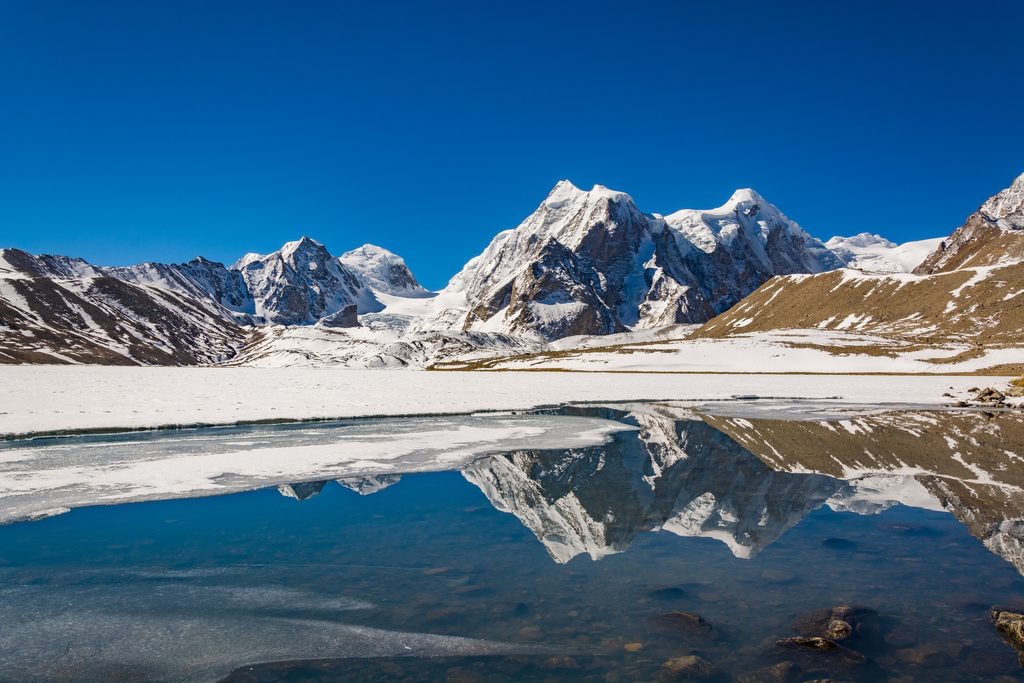
The first thing you notice about Gurudongmar Lake is its setting. Unlike lakes surrounded by dense forests, this one sits in a vast, open mountain landscape. The surrounding terrain is stark, with very little vegetation, distant snow-covered peaks and an uninterrupted view of the sky.
The colour of the water changes with the light and weather. On a clear day, the blue of the lake stands out against the muted shades of the mountains. During winter, much of the lake freezes, giving the landscape a completely different appearance.
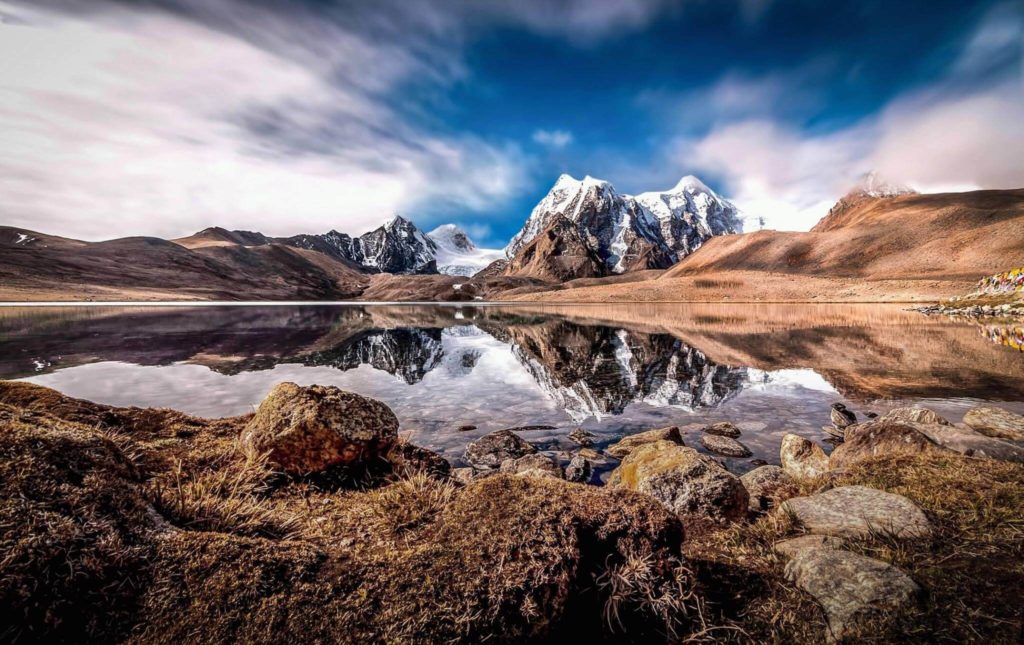
Gurudongmar is also considered one of the highest lakes in the world. It is not simply a scenic stop on a North Sikkim itinerary; it is a place of religious and cultural importance for several communities.
The Story and Religious Significance of Gurudongmar Lake
Gurudongmar Lake is named after Guru Padmasambhava, also known as Guru Rinpoche, who played an important role in the spread of Buddhism in the Himalayan region.
According to local belief, Guru Padmasambhava visited the lake during the 8th century. The area was known for its extremely cold conditions, and people struggled to find water during winter. Legend says that Guru Rinpoche blessed a portion of the lake so that it would remain unfrozen and provide water to the local people.
The lake is also deeply respected by Sikhs, with traditions associating the place with Guru Nanak. Today, it is regarded as a sacred destination by people of different faiths.
A small place of worship near the lake reflects this shared spiritual significance. Visitors are expected to respect the religious nature of the site and avoid disturbing the surroundings.
Things to Do at Gurudongmar Lake
Gurudongmar Lake is not a destination with a long list of activities. The experience is more about taking in the landscape and appreciating the journey.
Here are a few things you can do during your visit:
- Enjoy the views: Take time to observe the lake, the surrounding mountains and the wide-open landscape. The scenery is the main attraction.
- Photography: The contrast between the blue water, rocky terrain and snow-covered peaks makes Gurudongmar Lake a wonderful place for landscape photography. Carry your camera, but protect it from the cold.
- Visit the place of worship: Spend a quiet moment near the sacred site and learn about the religious importance of the lake.
- Experience the drive: The route from Lachen through Thangu is a major part of the trip. Watch how the landscape changes as you gain altitude.
- Observe the local environment: The high-altitude region has a fragile ecosystem. Enjoy the surroundings without leaving waste or disturbing wildlife.
Remember that the altitude is considerable. Visitors should follow their guide’s instructions and avoid spending more time at the lake than advised.
Best Time to Visit Gurudongmar Lake
The best time to visit Gurudongmar Lake is generally during April to June and October to November, depending on road access and weather conditions.
During April, May and June, the landscape begins to open up after winter, and parts of the lake may start thawing. This period is popular among travellers who want to see the lake with relatively better road access.
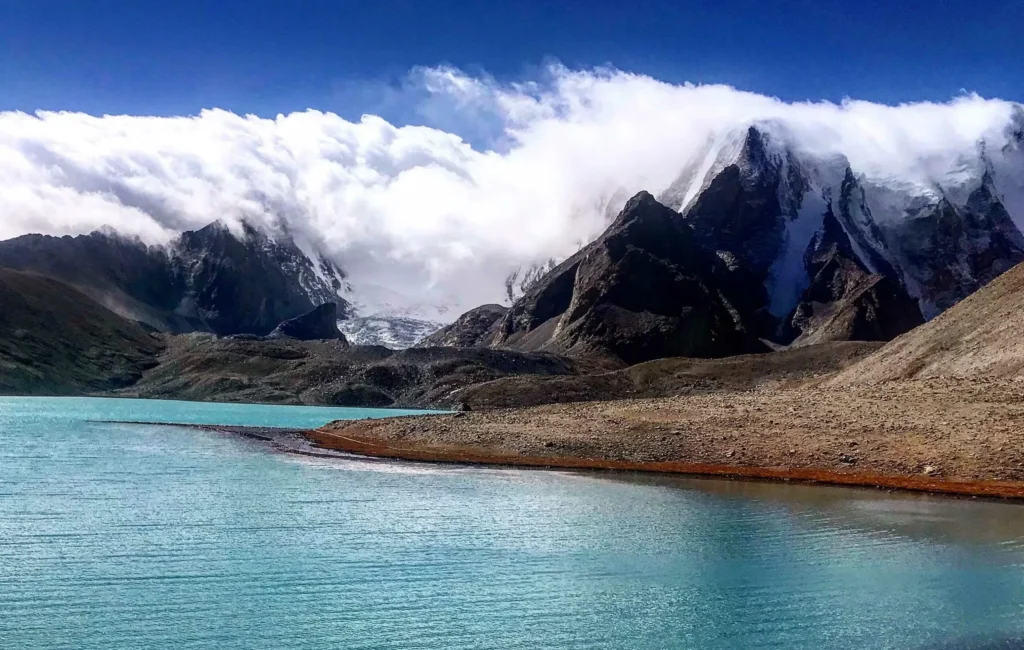
October and early November can offer clear mountain views after the monsoon season. The temperatures, however, can be extremely low at this altitude.
The monsoon months can bring heavy rainfall and landslides along the roads in North Sikkim. During winter, snowfall and freezing conditions may restrict access to the lake.
Since weather in this region can change quickly, check the latest road and permit status before finalising your travel dates.
How to Reach Gurudongmar Lake
The usual route to Gurudongmar Lake begins from Gangtok.
- By Air: The nearest major airport is Bagdogra Airport in West Bengal. Pakyong Airport, near Gangtok, is another option, subject to flight availability.
- By Train: New Jalpaiguri (NJP) is the nearest major railway station.
- By Road: From Gangtok, travel towards Mangan and then Lachen. The next day’s journey generally starts early from Lachen, passing through Thangu before reaching Gurudongmar Lake.
The drive from Lachen to the lake takes several hours, depending on road and weather conditions. The route is remote and passes through high-altitude terrain, so travelling with an experienced local driver and an authorised tour operator is advisable.
Permits and Important Travel Tips
Gurudongmar Lake is located in a protected border area. Indian visitors need a Protected Area Permit (PAP), which is issued through the designated authorities and registered local travel agencies. Foreign nationals are not permitted to visit Gurudongmar Lake under the current permit rules. Always verify the latest requirements before travelling.
A few things to keep in mind:
- Carry the original identity documents required for the permit. Check the accepted documents with your operator in advance.
- Wear several warm layers, including a windproof jacket, gloves, woollen cap and warm socks.
- Carry sunglasses and sunscreen, as sunlight and glare can be intense at high altitude.
- Avoid rushing the journey. Spend time acclimatising in the lower areas before travelling higher.
- High altitude can cause altitude sickness. If you experience a headache, nausea, dizziness or unusual breathlessness, inform your guide immediately. Severe symptoms require prompt medical attention and descent.
- Follow instructions from the authorities and do not cross restricted areas.
- Do not litter or disturb the lake and its surroundings.
Places to Visit Near Gurudongmar Lake
A trip to Gurudongmar Lake can be planned alongside other destinations in North Sikkim.
Lachen: This mountain village is the usual base for the Gurudongmar Lake excursion. Its quiet surroundings and traditional mountain setting make it a worthwhile stop.
Thangu Valley: Located along the route to Gurudongmar, Thangu is known for its open landscapes, mountain views and high-altitude surroundings.
Chopta Valley: This scenic valley is another attraction in the region, known for its wide meadows and mountain scenery. Access depends on local permissions and road conditions.
Include these places only after confirming that they are accessible during your travel dates.
Gurudongmar Lake is not a destination you visit just to tick another place off your travel list. The long drive, the changing landscape and the sheer altitude make the journey an experience in itself. When you finally stand beside the lake, surrounded by the vast Himalayan terrain, you begin to understand why this place holds such a special position in Sikkim.
If North Sikkim is on your travel list, Gurudongmar Lake is certainly worth considering. Plan carefully, respect the local rules and give yourself enough time to adjust to the altitude. The mountains may be waiting, but they should never be rushed.
Can you experience snowfall at Gurudongmar Lake?
Yes, snowfall is possible at Gurudongmar Lake, particularly during winter. However, heavy snowfall and extreme weather can affect accessibility.
Are there oxygen-related risks when visiting Gurudongmar Lake?
Yes. At such a high altitude, oxygen levels are lower, which can cause altitude sickness. Visitors should acclimatise properly and avoid rushing during the journey.
Is Gurudongmar Lake suitable for senior citizens and children?
The high altitude and low oxygen levels can make the journey physically challenging. Senior citizens, young children, and people with existing health concerns should consult a doctor before planning the trip.
Why is Gurudongmar Lake considered sacred by multiple religions?
Gurudongmar Lake holds religious significance for Buddhists, Sikhs, and Hindus. Its spiritual associations and local legends make it an important pilgrimage destination in Sikkim.
Do tourists need a permit to visit Gurudongmar Lake?
Yes, tourists need a special protected area permit to visit Gurudongmar Lake. Permits are generally arranged through registered travel agencies in Sikkim.
Where is Gurudongmar Lake located?
Gurudongmar Lake is located in the Mangan district of North Sikkim, near the Indo-China border, at an altitude of approximately 17,800 feet above sea level.